
Things to Do in Mexico City in June
June weather, activities, events & insider tips
Shoulder Season · Good Value
June Weather in Mexico City
Long-run averages for June in Mexico City
78°F (25°C)
High Temp
56°F (13°C)
Low Temp
5.2 inches (132 mm)
Rainfall
66%
Humidity
11
Rainy Days
13
Sunny-Day UV
⚠ Afternoon thunderstorms in June can produce hail, in the southern colonias like Coyoacán, Tlalpan, and the university district. These storms build fast and drop ice pellets large enough to sting exposed skin. When you hear the shift from rain to a hard rattling on metal roofs, move to solid cover, not just a fabric awning.
⚠ Ultraviolet intensity at Mexico City's altitude of 2,240 m (7,350 ft) is significantly higher than at sea level, even on overcast June mornings when the sky looks gray and harmless. Sunburn through cloud cover is one of the most common visitor complaints, and the altitude means it develops faster than you are used to. Apply sunscreen before you leave your accommodation, not after you notice the burn.
Is June Right for You?
Weigh the advantages and considerations before booking
Advantages
- + June rain clears the dry-season haze. The entire Valley of Mexico turns green. Popocatépetl and Iztaccíhuatl, invisible behind smog from November through April, sharpen against washed-blue skies after afternoon storms. Chapultepec Forest flips from tired olive to deep emerald. The city smells like wet earth and cut grass instead of exhaust.
- + Crowds at Teotihuacán, the National Museum of Anthropology, and Casa Azul thin noticeably once the rains start. Dry-season queues that stretch past an hour at the Frida Kahlo Museum often drop to fifteen minutes on a midweek June morning. Worth it.
- + Accommodation in Roma, Condesa, and the Centro Histórico drops from peak-season rates. Top-reviewed places that book out months ahead for a March or December visit tend to show availability with just a few weeks' notice in June. Book then.
- + Rainy season floods the markets with ingredients that simply do not exist in the dry months. Huitlacoche, the ink-black corn truffle with deep earthy intensity. Quelites, the wild greens piled high at La Merced. Peak-season stone fruits like mamey sapote and mango taste nothing like the exported versions you get elsewhere.
Considerations
- − Afternoon thunderstorms hit most days between 2 PM and 5 PM, sometimes with hail. Side streets turn into temporary streams. If you have not built rain contingency into your daily schedule, expect frustration and soaked shoes. Pack accordingly.
- − Humidity climbs from the dry season's 35-50% to 66%. At 2,240 m (7,350 ft) altitude the combination makes exertion feel heavier than the moderate temperatures suggest. Stairs, uphill walks, and anything faster than a stroll will wind you more than expected, in the first couple of days. Take it slow.
- − Some rooftop bars, open-air terraces, and outdoor markets reduce hours or close sections during the heaviest storms. A few boat operators on the Xochimilco canals cancel afternoon departures when weather is forecast to turn. This can scramble plans if you have not booked a morning slot. Plan ahead.
Best Activities in June
Top things to do during your visit
Teotihuacán Dawn Tours and Balloon Flights
Teotihuacán sits about 50 km (31 miles) northeast of central Mexico City. June transforms the usually parched valley around the pyramids into something unexpectedly lush. The trick is timing. Hot air balloon operators launch at dawn, typically around 6 AM, when the air is still cool at roughly 15°C (59°F) and the visibility can extend all the way to the snow-capped volcanoes on the horizon. From the basket you see the full geometry of the Avenue of the Dead laid out below, the Pyramid of the Sun casting a long shadow across green fields that looked brown and dusty two months earlier. By the time you are on the ground walking toward the Pyramid of the Moon, the morning light is hitting the carved stone at the angle that makes you understand why the Aztecs called this place the birthplace of the gods, even though the civilization that built it had vanished centuries before they arrived. June storms rarely build before 2 PM, giving you a solid six-hour window of clear sky. Get there before the tour buses from the city, which roll in around 10 AM, and the complex feels almost private in the early light.
Booking Tip: Balloon flights sell out days ahead even in low season. Book at least a week in advance through licensed operators. Confirm your pickup time the night before, as morning fog occasionally shifts launch schedules. For the archaeological site itself, see current guided tours in the booking section below.
Xochimilco Sunrise Canal Cruises
The rainy season is, counterintuitively, the best time to float through Xochimilco's ancient canal system. June fills the waterways that run low and cloudy by March, and the chinampas, those pre-Hispanic floating gardens that still produce much of the city's lettuce, cilantro, and squash, are thick with growth. A sunrise departure around 7 AM gets you on the water before the brightly painted trajineras become floating party boats by noon. In the early quiet, the only sounds are birdsong and the rhythmic thud of the pole hitting the canal bottom as your boatman navigates past islands of marigolds and climbing beans. Food vendors tend to paddle alongside in their own small boats, selling tamales still steaming in their corn-husk wrappers and atole, the warm corn-based drink that takes the edge off a 14°C (57°F) June morning on the water. The green density of the canal banks in rainy season, vines draping over ancient stone walls, kingfishers darting between the reeds, makes this a different experience from the dry-season version that most visitors photograph.
Booking Tip: Book morning departures, ideally sunrise slots, at least a few days ahead. Confirm the night before, as heavy rain the previous evening occasionally shifts schedules. Group sizes are smaller in June, which means a quieter, more personal ride. See current Xochimilco tour options in the booking widget below.
National Museum of Anthropology Guided Tours
This is your rainy-afternoon anchor. Calling it that undersells what is arguably the finest anthropology museum in the Americas. The Aztec Sun Stone alone, that 24-tonne basalt disc carved with the cosmological calendar of an empire, stops you in a way that photographs never prepare you for. The scale of it, the weight and age compressed into one object sitting in a room designed to dwarf everything except this one piece. But the June advantage is practical: while dry-season crowds pack the Mexica hall shoulder-to-shoulder, a Tuesday or Wednesday afternoon in June gives you space to stand in front of the Olmec colossal heads and take them in at your own pace. The museum sits right off Paseo de la Reforma in Chapultepec, so when the rain clears around 5 PM, you walk out into that post-storm clarity that only Mexico City produces at altitude: the surrounding ahuehuete trees dripping, the air scrubbed clean, the volcanoes suddenly sharp against a sky turning copper and pink. A tour with an archaeologist or specialist guide turns a collection so vast it could overwhelm into a narrative that connects the rooms.
Booking Tip: Private and small-group guided tours with archaeologists book up even in low season because group sizes are limited. Reserve at least a week ahead. Allow three to four hours minimum for a guided visit. See available guided museum tours in the booking section below.
Coyoacán Neighborhood and Market Walking Tours
Coyoacán feels like a small colonial town that the city swallowed without digesting. The cobblestoned streets around Plaza Hidalgo and Jardín Centenario still carry the smell of roasted corn from the elote carts and café de olla, that clay-pot coffee sweetened with piloncillo and laced with cinnamon that you can smell from half a block away on a cool morning. By June the jacaranda trees have shed their purple carpet. But the Indian laurels have filled in so thickly that entire blocks walk in deep shade, which matters when ultraviolet at this altitude will burn pale skin before you notice the heat. The Mercado de Coyoacán is the anchor: a covered market where tostadas piled with ceviche, raw onion, and a smoky chipotle salsa are prepared at stalls with lines of locals that move fast. The roof means the afternoon rain is irrelevant. Frida Kahlo's Casa Azul sits a few blocks east, its courtyard garden at its most overgrown and alive in June, bougainvillea spilling over the blue walls in a way that makes the dry-season photos look bare. Block at least half a day for this neighborhood and walk the residential streets between the landmarks, they reward anyone moving slowly.
Booking Tip: Guided walking tours that combine the market, Casa Azul, and the neighborhood history are the best way to connect the pieces. Book two to three days ahead. Casa Azul itself sometimes requires timed-entry tickets, so confirm access as part of your tour. See current Coyoacán tours in the booking widget below.
Centro Histórico Walking Tours from the Zócalo
The Zócalo is a different place at 8 AM in June than it is at 3 PM. Morning: the cathedral bells, shoe-shiners arranging their brass footrests along the arcades, the smell of fresh-baked conchas drifting from panaderías on Calle Madero, and a slant of light that turns the Palacio Nacional's tezontle-stone walls the color of dried blood. Afternoon: thunder rolling between the colonial facades, rain sheeting off the baroque stonework of the Templo Mayor ruins, and every taco stand under the portales packed with people waiting out the storm shoulder-to-shoulder. The whole district rewards walking, and June mornings starting around 13°C (56°F) make it comfortable in a way the dry season's smog-trapped warmth does not. Diego Rivera's murals inside the Palacio Nacional, a continuous sweep of Mexican history across three floors of walls, are free to visit and often surprisingly uncrowded on weekday mornings. The pedestrianized stretch of Calle Madero connecting the Zócalo to the Palacio de Bellas Artes, about a 15-minute walk northwest, lets you stroll without dodging traffic, passing under the Art Deco facade of the old Guardiola Building and past street musicians whose accordion rancheras bounce off the stone.
Booking Tip: Morning departures are essential in June to maximize dry hours. Small-group or private walking tours with a historian bring the layers of this district alive in ways that wandering alone tends to miss. Reserve a few days ahead. Check current Centro Histórico options in the booking section below.
Private Mexican Cooking Classes with Market Visits
June is likely the best month of the year to learn Mexican cooking. The rainy season triggers a wave of seasonal ingredients that the dry months simply cannot match: huitlacoche, the ink-black corn truffle with an earthy depth that European chefs compare to black truffle and that tastes like nothing else on earth; quelites, the wild greens that appear in every market stall overnight once the rains begin. Fresh squash blossoms piled in fragrant golden heaps at La Merced and Mercado de San Juan. A private or small-group class in neighborhoods like Roma or Condesa typically starts with a market visit, where you learn to pick ripe mamey sapote by pressing your thumb gently into the skin, it should give slightly and smell sweet with a faint pumpkin undertone, and to identify the right dried chiles for a mole by their sheen and flexibility. The hands-on work that follows, grinding ingredients on a volcanic-stone molcajete, pressing masa into tortillas by hand, charring tomatillos over open flame until the skins blister and split, makes you understand why Mexican cuisine earned UNESCO Intangible Heritage recognition. June's lower visitor numbers mean smaller class sizes and more one-on-one time with the instructor.
Booking Tip: Book at least a week ahead. Classes with a market-visit component are worth the longer time commitment, typically four to five hours total, because the sourcing is half the education. See current cooking class options in the booking widget below.
Where to Stay in Mexico City in June
Hand-picked hotels across price tiers for June travellers.
★★★★★
Luxury
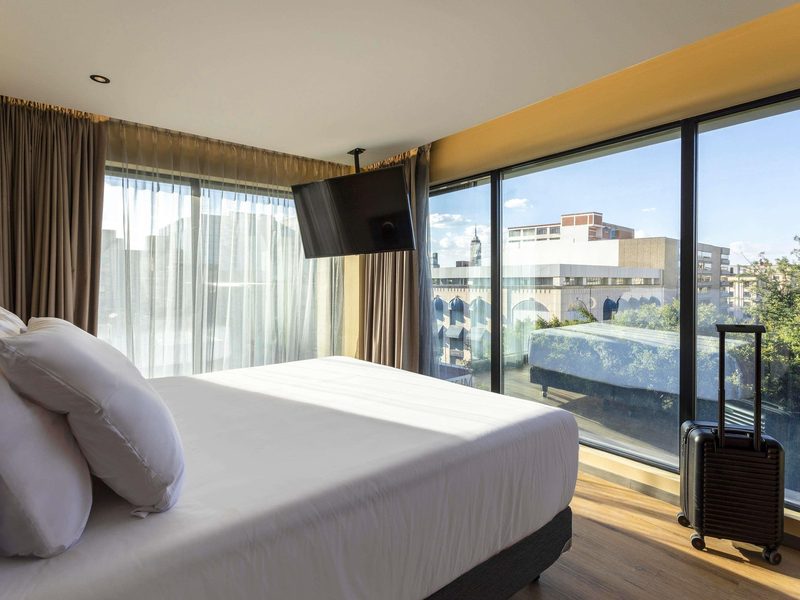
Las Alcobas, a Luxury Collection Hotel, Mexico City
From $609 / night
Check Prices on Trip.com →
Packing Checklist
Bookmark this page — your progress is saved between visits
Need the full list with shopping links?
Climate-specific gear, brand recommendations, and what to leave at home.
View Mexico City Packing List →Essential Tips
Insider knowledge and common pitfalls to avoid
Insider Knowledge
Mexico City sits at 2,240 m (7,350 ft) above sea level, higher than Denver or Bogotá, and most visitors do not expect altitude effects in a city. Headaches, shortness of breath on stairs, and restless sleep on your first night are common, not rare. Drink water constantly, ease off the mezcal on your first evening, and do not schedule a 6 AM Teotihuacán balloon flight for day one. Give your body 24 hours to adjust before you push it.
June rain in Mexico City follows a schedule you can nearly set your watch by. Mornings are almost always clear and often cool enough for a light layer. Clouds build around 1 PM, the storm typically breaks between 3 PM and 5 PM with theatrical intensity, thunder rolling between buildings, and by 6 or 7 PM the sky has cleared into the kind of saturated orange-and-pink sunset that makes the whole city pause. Structure every day around this pattern: outdoor activities before 2 PM, museums and covered markets for the afternoon, and evening plans starting at 7 PM when the air is cool and clean.
The Metrobús is how the city moves when it rains. Line 1 along Avenida Insurgentes connects Roma, Condesa, and the Centro Histórico faster than any car when a storm turns traffic into gridlock. A stored-value transit card works on both the Metrobús and the metro. During rush hours the front cars of the metro are reserved for women and children, and this is enforced. Rideshare apps work well in Mexico City. But during peak rain hours every available car is taken and increase pricing climbs steeply.
Huitlacoche season begins in June, and if you have never tried the corn truffle, this is your window to eat it at peak freshness. Ask for it in quesadillas at any market fondita. The color is unsettling, almost black. The flavor is earthy, mushroom-deep, with a faint sweet corn undertone that lingers. Chefs in New York and London treat this as a luxury ingredient. In June in Mexico City, market cooks fold it into tortillas without ceremony. The contrast between the price there and the price here is almost comical.
Avoid These Mistakes
Packing for a tropical heat wave. Mexico City in June averages a high of only 25°C (78°F) and drops to 13°C (56°F) at night. This is cooler than most visitors from Texas, Florida, or southern Europe expect. The altitude keeps temperatures moderate even at the same latitude as Honolulu. People arrive in shorts and tank tops. They end up buying sweaters from street vendors by day two. Bring layers.
Scheduling a packed outdoor itinerary with no rain contingency. The afternoon storms are not a light drizzle you can walk through. They are dramatic, sometimes with hail the size of marbles in neighborhoods like Coyoacán and Tlalpan, and they last one to two hours. If your only plan is a walking tour that starts at 2 PM, you are going to spend it huddled under an awning watching the street flood. Every day needs a wet-weather backup.
Drinking heavily on day one before adjusting to altitude. At 2,240 m (7,350 ft), alcohol hits harder and hangovers hit worse. The combination of dehydration from the flight, altitude-thinned oxygen, and a rooftop mezcal tasting on your first evening is a reliable recipe for losing your entire second day to a headache that paracetamol will not touch. Ease in.
Ready to plan your trip to Mexico City?
Now that you've got the research covered, here's where to go next.
Explore More Activities in Mexico City
Didn't see anything interesting yet?
Browse Viator's full catalog of tours, day trips, food experiences, and private guides in Mexico City.
See All Mexico City Tours on Viator