
Things to Do in Mexico City in February
February weather, activities, events & insider tips
Shoulder Season · Good Value
February Weather in Mexico City
Long-run averages for February in Mexico City
75°F (24°C)
High Temp
49°F (9°C)
Low Temp
0.2 inches (5 mm)
Rainfall
48%
Humidity
1
Rainy Days
11
Sunny-Day UV
⚠ Watch for extreme UV at altitude. Mexico City sits at 2,240 m (7,350 ft). February skies stay clear. The UV index peaks at 11. Unprotected skin burns in thirty to forty minutes. The air feels cool. The sun does not care. Visitors get caught off guard.
⚠ Expect altitude effects. Sea-level visitors often suffer headaches, shortness of breath, disrupted sleep, and nausea in the first 24 to 48 hours. February air holds only 48 percent humidity. Dehydration compounds the problem. Skip strenuous activity on arrival day. Skip alcohol too.
Is February Right for You?
Weigh the advantages and considerations before booking
Advantages
- + February is bone-dry in Mexico City. Barely 5 mm (0.2 inches) of rain falls the entire month. Plan outdoor days without backup. Expect unbroken blue skies over the Valley of Mexico. On clear mornings, the snowcapped peaks of Popocatépetl and Iztaccíhuatl appear sharp against the horizon from elevated points in Chapultepec or the rooftop bars of Colonia Roma. The rainy season erases this sight for months at a time.
- + Daytime temperatures settle around 24°C (75°F). Warm enough for shirtsleeves. Cool enough that walking ten kilometres through Centro Histórico or Coyoacán does not feel punishing. Compare that to May, when the mercury climbs to 27°C (81°F) and afternoon storms arrive. Or to June through September, when Mexico City gets drenched with over 130 mm (5 inches) a month.
- + February falls between the Christmas holiday crush and Semana Santa in April. The Museo Nacional de Antropología, the Palacio de Bellas Artes, and the Frida Kahlo Museum in Coyoacán are noticeably less packed than in peak windows. Accommodation rates sit below what you would pay in December or during Easter week. Restaurant reservations that require weeks of lead time in high season sometimes open up with just a few days' notice.
- + The art calendar peaks in February. Zona Maco, Latin America's largest contemporary art fair, fills the Centro Citibanamex with hundreds of galleries from across the hemisphere. The energy spills into satellite exhibitions, pop-up installations, and gallery openings throughout Roma Norte and San Miguel Chapultepec. If you care about contemporary art, there is no better month to be in Mexico City.
Considerations
- − Mexico City sits at 2,240 m (7,350 ft) above sea level. February's dry, thin air amplifies altitude effects for visitors arriving from sea level. Headaches, shortness of breath on staircases, and disrupted sleep hit roughly one in three travelers the first two nights. The dryness compounds it. Nosebleeds and cracked lips are common enough that pharmacies near the airport stock remedies at the counter.
- − Morning and evening temperatures drop sharply. By 7 AM Mexico City can be 9°C (49°F) or cooler. The sun sets before 7 PM. The chill returns fast. The gap between midday warmth and early-morning cold catches travelers who packed for the daytime high. They find themselves shivering on a sunrise balloon ride over Teotihuacán or walking to a late dinner in Condesa without a proper layer.
- − February's extreme UV index means sunburn happens fast. Even on overcast mornings. Even when the air feels cool. The altitude strips away the atmospheric buffer that lower-elevation cities provide. First-time visitors routinely underestimate how quickly exposed skin reddens during a full day at Teotihuacán or Xochimilco, where shade is scarce.
Best Activities in February
Top things to do during your visit
Teotihuacán Archaeological Tours
February is arguably the single best month to visit Teotihuacán. The air is dry and clear. You can stand at the top of the Pyramid of the Sun and see the entire Valley of Mexico stretching toward the volcanic range. The summer haze swallows this view completely. Temperatures at the site hover around 22-24°C (72-75°F) by mid-morning. Warm enough to be comfortable. Cool enough that climbing 248 steps does not leave you overheated. The site opens at 9 AM. Arrive by 8:30 for the gates. This puts you on the Avenue of the Dead before tour buses from Mexico City discharge passengers around 10:30. The walk from the Pyramid of the Moon to the Temple of the Feathered Serpent covers roughly 2.5 km (1.5 miles) of exposed ground with almost no shade. February's moderate sun is a genuine advantage over the scorching April-May window. Allow four to five hours for a thorough visit including the on-site museum. Private tours with archaeologist guides transform the experience from sightseeing into something closer to a graduate lecture delivered while standing inside the evidence. They are well worth the premium. See current guided options in the booking section below.
Booking Tip: Book guided tours at least seven to ten days ahead in February. Zona Maco week pulls extra visitors into cultural excursions. Look for guides with academic credentials in Mesoamerican archaeology rather than general tour operators. Early-morning departures that get you to the site by opening are far superior to midday trips.
Xochimilco Canal Sunrise Experiences
The canals of Xochimilco are a different place at sunrise than at 2 PM on a Saturday. In February, the water sits still and dark in the early-morning cool. The trajineras painted in chipped greens and magentas reflect off the surface. The only sounds are birdsong and the occasional slap of a pole against water as a farmer navigates a flat-bottomed boat loaded with flowers toward the Cuemanco market. The chinampas, the floating garden islands that have been farmed since the Aztec period, are at their most photogenic in the low winter light. February's dryness means you are unlikely to get rained off the water. Daytime weekend trips turn raucous. Mariachi boats pull alongside. Vendors float past selling elote slathered in mayo, chile, and cotija cheese. Both experiences are valid. The sunrise version is the one locals recommend. The canals stretch about 170 km (106 miles) in total, though a typical tour covers a 6-8 km (4-5 mile) loop over two to three hours.
Booking Tip: Sunrise tours require advance booking. Embarcaderos at Cuemanco and Nativitas do not always staff early openings for walk-ups. Book three to five days ahead. Bring a fleece or light jacket. The water amplifies the morning chill, which can be 8-10°C (46-50°F) at departure time. See current Xochimilco tour options in the booking section below.
Centro Histórico Food Walking Tours
Mexico City's historic center rewards those who walk it. February's dry, comfortable weather turns a three-to-four-hour food tour into pleasure rather than the endurance test summer rains create. The territory that matters runs from the Zócalo west to Alameda Central and south toward Merced, where the city's largest market sprawls across entire blocks. The air hangs thick with chiles toasting on comales and the mineral tang of fresh-cut nopales. Find the taquerías around República de Uruguay. They have served tacos de canasta, those steamed basket tacos damp with bean and chicharrón fillings, since before most visitors' parents were born. Try blue corn tlacoyos stuffed with requesón at a market stall where the woman shaping them carries the same calluses her grandmother did. Drink pulque. The fermented agave sap sits somewhere between kombucha and thin yogurt in texture, and tastes like nothing you have encountered before. February 2 brings Día de la Candelaria. Tamales appear everywhere. The streets fill with the sweet corn-husk smell of hundreds of steamers working at once.
Booking Tip: Book small-group food tours at least a week ahead. Cap at eight to ten people. Larger groups move too slowly and miss the best stalls. Start before 10 AM. You will catch market vendors at their freshest. Seek guides who are food historians or trained chefs. Skip general tour operators. Check the booking section below for current food tour options.
Chapultepec Castle and Park Half-Day Exploration
Chapultepec is not a park in the way most cities use the word. It spans 686 hectares (1,695 acres) of old-growth ahuehuete cypress forest inside one of the largest cities on earth. Walk the first section on a February morning. The air carries eucalyptus. Light filters through canopy that stood here when Aztec emperors bathed in its springs. This experience recalibrates what you thought Mexico City would be. The Castillo de Chapultepec, the only royal castle in the Americas, sits on a hill at the park's eastern end. It has a panorama of Paseo de la Reforma stretching toward the Angel of Independence, the volcanic peaks clean and visible in February's dry air. The castle interior holds murals by Siqueiros and O'Gorman. Rooms preserve the brief, strange reign of Emperor Maximilian in the 1860s. Allow ninety minutes. The Museo Nacional de Antropología sits at the park's northern edge. It could absorb an entire day. If time is short, prioritize the Mexica (Aztec) hall and the Maya hall. February's moderate crowds mean you can stand before the Sun Stone without being shoulder-to-shoulder.
Booking Tip: Arrive at the park entrance on Paseo de la Reforma by 9 AM. Walk the uphill path to the castle before midday warmth and school groups arrive. The Anthropology Museum opens at 9 AM Tuesday through Sunday. It closes Mondays. Guided tours with historians or archaeologists add enormous value to both sites. See current guided options in the booking section below.
Hot Air Balloon Flights over the Valley of Mexico
February's clear, stable air makes it the best month for balloon flights over the Teotihuacán valley. The balloons launch at first light, when wind is calmest. You rise into air still 8-10°C (46-50°F) cold. Your nose runs. Your hands stiffen around the basket rim. The view erases the discomfort. The pyramids appear below in oblique dawn light, casting long shadows across surrounding farmland. On the clearest February mornings, the snowline on Popocatépetl and Iztaccíhuatl glows pink. The flight lasts roughly forty-five minutes to an hour, depending on wind conditions. The pilot works altitude to catch different air currents and covers a surprisingly large area. This is not a year-round activity at its best. The rainy season cancels flights regularly. The winter haze of December and January reduces visibility to a milky blur. February threads the needle between haze clearing and rains arriving.
Booking Tip: Book February weekend flights at least two weeks ahead. Clear-sky reputation draws demand. Weekday flights mean smaller groups and more flexible timing. Expect a very early pickup from Mexico City, typically around 5 AM, for the drive to the launch site near Teotihuacán. Dress in layers. You will go from cold basket to warm ground within an hour. See current balloon experiences in the booking section below.
Coyoacán Neighborhood and Museum Walking Day
Coyoacán feels like a colonial town that the metropolis grew around but never quite absorbed. The cobblestoned streets around Jardín Centenario smell like café de olla, that cinnamon-and-piloncillo coffee brewed in clay pots that vendors sell from thermos carts. The jacaranda trees lining the plazas show first purple buds in late February. This previews the full violet canopy that erupts in March. The Casa Azul, Frida Kahlo's cobalt-blue childhood home turned museum, anchors the visit. The neighborhood earns a full half-day on its own. Visit the Mercado de Coyoacán. Try tostadas de tinga piled with shredded chicken in smoky chipotle sauce. Find the quiet courtyards of the former Dominican convent. Walk two blocks north to the Leon Trotsky Museum, where bullet holes in the study wall remain visible. February's dry weather and medium crowds let you walk at your own pace. No shuffling behind tour groups. Allow five to six hours to do it properly, including a long lunch.
Booking Tip: The Frida Kahlo Museum requires timed-entry tickets that sell out days ahead, on weekends. Book online as far in advance as possible, ideally two to three weeks for February visits. Morning entry slots are less crowded than afternoon. Walking tours of the neighborhood that include museum admission simplify the logistics. Check the booking section below for current Coyoacán tour packages.
Where to Stay in Mexico City in February
Hand-picked hotels across price tiers for February travellers.
★★★★★
Luxury
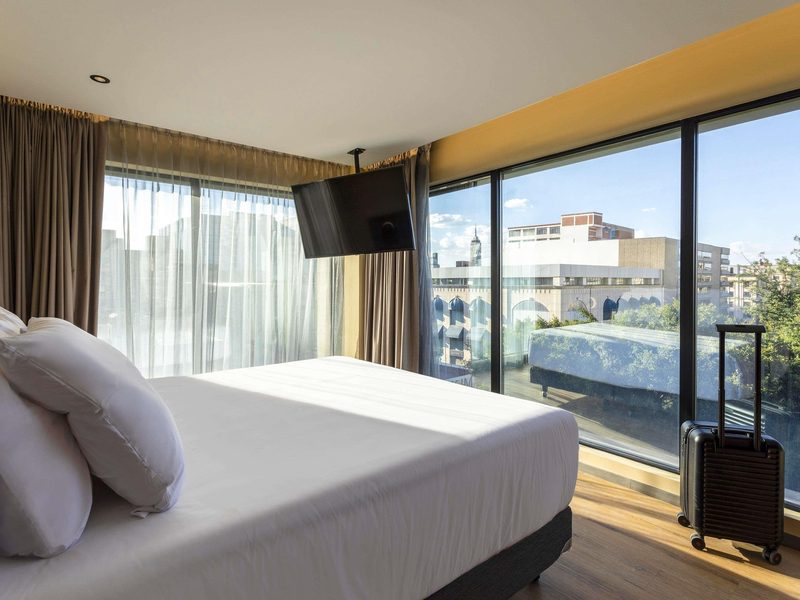
Las Alcobas, a Luxury Collection Hotel, Mexico City
From $609 / night
Check Prices on Trip.com →
Public Holidays in February
Dates that affect opening hours, transport and crowds
Día de la Constitución
Known in English as Constitution Day. Observed nationwide as a public holiday.
Día de la Constitución
Known in English as Constitution Day. Observed nationwide as a public holiday.
Packing Checklist
Bookmark this page — your progress is saved between visits
Need the full list with shopping links?
Climate-specific gear, brand recommendations, and what to leave at home.
View Mexico City Packing List →Essential Tips
Insider knowledge and common pitfalls to avoid
Insider Knowledge
Mexico City's altitude is the thing nobody prepares for properly. At 2,240 m (7,350 ft), you are higher than Denver, and the effects compound with alcohol and exertion. Locals will tell you to drink agua de jamaica, the deep-red hibiscus tea served cold at every taquerían and market stall, and to take the first day slow. They are right. Schedule your most demanding activity, whether that is climbing pyramids or walking ten kilometres through markets, for day two or three, not day one.
The metro is the fastest way across the city and costs almost nothing. But it is also a compression chamber during rush hours from 7 to 9:30 AM and 5:30 to 8 PM. The front cars on several lines are reserved for women and children during peak times, and this is enforced. Outside rush hour, the metro is clean, fast, and surprisingly uncrowded. Línea 1, the oldest line running from Observatorio to Pantitlán, passes through the Centro Histórico stations that put you within walking distance of most major sights.
Where you stay shapes everything in Mexico City. Roma Norte and Condesa pack the highest concentration of walkable restaurants, cafes, and galleries into one compact zone. Metrobús Línea 1 on Avenida Insurgentes connects both to the rest of the city. The Centro Histórico places you amid the architectural core, though it empties fast after dark. Coyoacán feels like its own town entirely. Each neighborhood marches to its own beat. Pick wrong for your style, and you will waste hours in transit instead of walking.
February sits between peak seasons. Restaurants that demand weeks of advance booking in December or Semana Santa suddenly open up. Pujol in Polanco, Contramar in Roma Norte, and Quintonil in the same neighborhood anchor Mexico City's global food reputation. Weekday lunch slots in February ease the pressure. The meal that sticks with you longest, though, might cost 30 pesos. Find a nameless market stand where the trompo has spun pork against gas flame since before you were born. Pineapple juice drips down and caramelizes. No white-tablecloth kitchen replicates that.
Avoid These Mistakes
Do not underestimate the altitude. Packing day one with strenuous activity is a common mistake. Visitors land from sea level and head straight to Teotihuacán to climb pyramids. They spend day two in bed. Headaches hit hard. Ibuprofen barely touches them. The city sits at 2,240 m (7,350 ft). Your blood oxygen drops. Your heart works harder. Alcohol hits faster. Take day one slow. Walk the Zócalo. Study the Palacio Nacional murals. Linger over lunch. Let your body adjust before you climb.
Pack only for the 24°C (75°F) afternoon high and you will freeze. Mornings before 10 AM and evenings after sunset bite hard. February brings one of the widest diurnal temperature ranges of the year. Morning cold surprises visitors who packed only T-shirts. They heard Mexico City was warm. They were half right. Layers are essential. Peel them off by noon. Put them back on by 6 PM. Every single day.
Staying in one neighborhood does not mean you have seen Mexico City. The city sprawls across 1,485 sq km (573 sq miles). Roma Norte offers tree-lined streets and Art Deco facades. Tepito delivers sensory overload at its tianguis market. San Ángel develops quiet colonial plazas on Saturday mornings. These are different cities. Twenty coexist here. Budget time. Ride the metro. Cross boundaries.
Ready to plan your trip to Mexico City?
Now that you've got the research covered, here's where to go next.
Explore More Activities in Mexico City
Didn't see anything interesting yet?
Browse Viator's full catalog of tours, day trips, food experiences, and private guides in Mexico City.
See All Mexico City Tours on Viator