
Things to Do in Mexico City in August
August weather, activities, events & insider tips
Shoulder Season · Good Value
August Weather in Mexico City
Long-run averages for August in Mexico City
76°F (24°C)
High Temp
55°F (13°C)
Low Temp
6.9 inches (175 mm)
Rainfall
77%
Humidity
13
Rainy Days
13
Sunny-Day UV
⚠ Expect daily afternoon thunderstorms with potential for brief, localized street flooding. Plan outdoor activities for mornings.
Is August Right for You?
Weigh the advantages and considerations before booking
Advantages
- + The city's parks and floating gardens hit peak green in August, a lushness the dry months never match. Chapultepec Forest becomes a rain-soaked jungle. You smell wet pine needles. You hear afternoon rain tapping the canopy.
- + August brings shoulder season for international tourism. Crowds thin at heavyweight museums like the National Anthropology Museum. You can stand before the Aztec Sun Stone without being jostled. Take your time.
- + Hotel rates across Mexico City run more moderate than peak winter months. Last-minute rooms open up in popular colonias like Roma or Condesa. Check often.
- + This is rainy season's heart. Afternoon storms scrub the air clean. Post-storm light over the Zócalo becomes a photographer's dream. The sun breaks through. Sharp, golden glow hits the Palacio de Bellas Artes. It looks lit from within.
Considerations
- − Daily rain is logistical fact. Most afternoons, between 3pm and 5pm, heavy warm downpours roll in for an hour or two. Curbs flood. Crosswalks become shallow rivers. Plan around it.
- − That 77% humidity sticks. Mornings feel fresh. By midday, Centro Histórico air turns thick and close. Walking the Alameda Central becomes a slog, not a stroll. Pace yourself.
- − Some smaller, family-run restaurants in Coyoacán or San Ángel close for a week or two in August. That perfect fonda might have a handwritten 'Cerrado' sign. Call ahead.
Best Activities in August
Top things to do during your visit
Museum and Gallery Deep Dives
August practically demands indoor exploration. The daily afternoon rain pattern makes this good for losing yourself in museums. Inside the Museo Nacional de Antropología, light stays soft and diffuse on rainy days. Study intricate Mayan stelae carvings in peace. At the Museo de Arte Moderno in Chapultepec, rain on skylights creates a serene soundtrack for Rivera and Kahlo works. You get the culture. You skip the weather hassle.
Booking Tip: For private guided tours at major museums, book a few days ahead through licensed cultural guides. Current options sit in the booking section. For general admission, just show up. August crowds stay manageable.
Xochimilco Early Morning Trajinera Rides
Everyone does Xochimilco. Hardly anyone does it right in August. Skip the packed, boozy afternoon boats. Book sunrise or early morning instead. The canals turn misty and quiet. Cool air smells of wet earth and flowers. Sounds reduce to pole dips and distant birds. The floating gardens explode with green. You own the waterway. This is authentically peaceful, nothing like the chaotic weekend party scene.
Booking Tip: Look for sunrise or 'first light' tours including transport. Smaller groups fill fast. Secure your spot at least a week ahead. Check the widget for current early-morning options.
Cooking Classes Focused on Seasonal Ingredients
August brings bounty to Mexican kitchens. Huitlacoche, the corn fungus tasting of earthy truffles, hits peak now. Fresh poblano chiles arrive for chiles en nogada, that well-known patriotic dish. A cooking class this month teaches seasonal rhythm, not just technique. You'll likely start at Mercado de San Juan, feeling slick damp floors underfoot, smelling pungent ripe tropical fruits, then learn dishes you simply cannot make authentically in December.
Booking Tip: Seek classes mentioning 'market visit' and 'seasonal' dishes. Book at least 10 days ahead, smaller classes with well-known culinary historians. See what's available in the booking section.
Architectural Walking Tours (with a Weather Plan)
August's rain-cleared air makes building colors pop. The cobalt blue of Casa Azul. The volcanic stone of the Museo Nacional de Arte. Timing matters. Start guided walks of Colonia Roma or Centro Histórico at 10am. You'll finish as clouds build, having seen art nouveau facades and brutalist concrete in perfect pre-storm light. Good guides weave you through portales when first drops fall.
Booking Tip: Morning tours are essential in August. Look for small-group architecture or history walks. Booking a day or two ahead usually suffices. Verify the tour has a clear wet-weather route.
Lucha Libre in a Historic Arena
Arena México on a Friday night in August delivers uniquely intense atmosphere. Crowd heat mixes with spilled beer and popcorn smells. The old dome contains deafening roars. Luchadores' masks glow brighter under the lights. This is indoor, weather-proof spectacle. Pure chaotic Mexico City culture. Summer storylines often rank among the year's most dramatic.
Booking Tip: Friday night 'Super Viernes' tickets sell out. Book through tours including tickets and transport a week or more ahead. General admission might remain at the door other nights.
Where to Stay in Mexico City in August
Hand-picked hotels across price tiers for August travellers.
★★★★★
Luxury
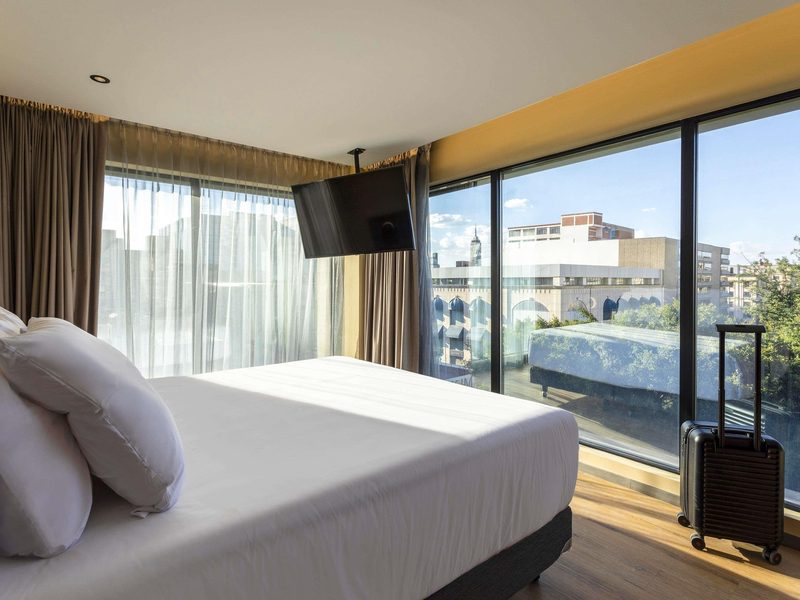
Las Alcobas, a Luxury Collection Hotel, Mexico City
From $609 / night
Check Prices on Trip.com →
Packing Checklist
Bookmark this page — your progress is saved between visits
Need the full list with shopping links?
Climate-specific gear, brand recommendations, and what to leave at home.
View Mexico City Packing List →Essential Tips
Insider knowledge and common pitfalls to avoid
Insider Knowledge
Locals treat afternoon rain as a natural coffee break. Around 4pm, cafes in Condesa and Roma fill with people waiting out storms, not tourists. Join them. Order café de olla. Watch the street become a river.
Visit the outdoor stalls of Mercado de Jamaica right after morning rain. This massive flower market glows after a shower. The colors of gladiolas and sunflowers turn blindingly vivid. The scent of damp petals and greenery overwhelms.
Caught in a Centro downpour? Don't just stand under an awning. Duck into Pasaje de la Revolución or old interior courtyards on Madero Street. You'll find hidden cafes, bookshops, and architectural details most visitors miss.
The Palacio de Bellas Artes performance schedule often grows rich in August as companies prepare for fall season. Check the posted board outside for last-minute tickets to Ballet Folklórico or the symphony. Spend a rainy evening somewhere majestic.
Avoid These Mistakes
Don't rigidly plan outdoor afternoons without checking the hourly forecast each morning. In Mexico City in August, stay fluid. Schedule museums, long lunches, or classes for the 2pm-5pm window.
Avoid packing only flimsy sandals. Flooded streets hold gritty runoff that destroys nice sandals and leaves feet filthy. Pack real shoes.
Don't assume summer means hot all day. The temperature drops to 55°F (13°C) at night. This is real. Rooftop dinners and post-rain walks get cold. That light sweater is non-negotiable.
Ready to plan your trip to Mexico City?
Now that you've got the research covered, here's where to go next.
Explore More Activities in Mexico City
Didn't see anything interesting yet?
Browse Viator's full catalog of tours, day trips, food experiences, and private guides in Mexico City.
See All Mexico City Tours on Viator